I follow the work before choosing the tools: who handles each record, what happens next, and where things get stuck. Then I own the build from the database to the screen.
We agree on scope before work starts. Updates come directly from me. If a feature adds cost without helping the business, I say so.
Focus
Full-stack systems & agentic AI
Based in
Muntinlupa City · UTC+8
02 / Web applications
Built to solve. Made to work.
Operational web products running in production. A closer look at the software I build, the decisions behind it, and the work I own.
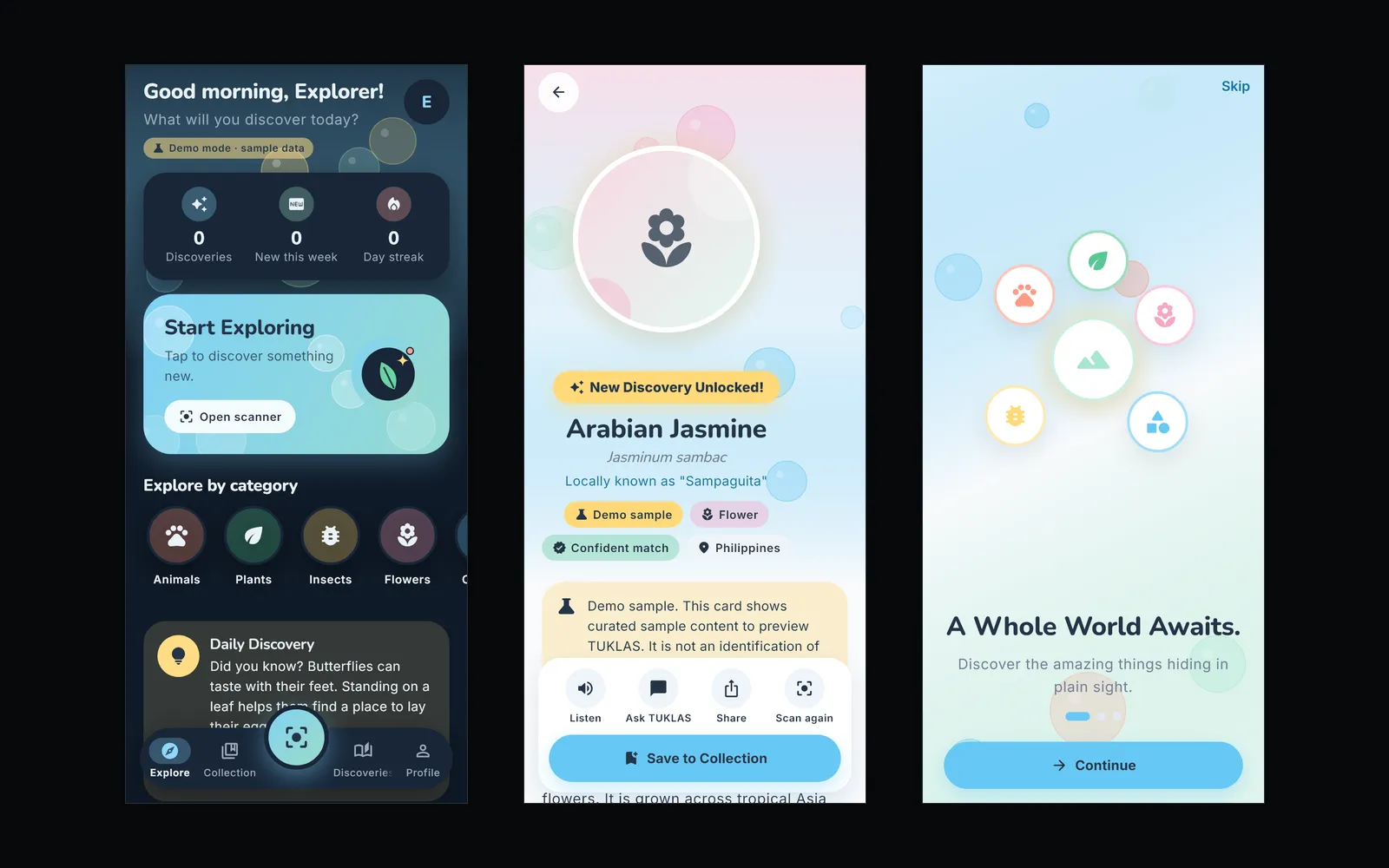
Android and iOS apps written with React Native and Expo, and with Flutter and Dart. Real camera work, on-device storage and behaviour that survives a dead signal.
Every listed skill includes its context. Claims without a public example are marked.
Product and systems engineeringI turn the real operation into rules the data can enforce.
Domain modelling
Appointment lifecycles, shipment states and ticket threads mapped from the operation itself.
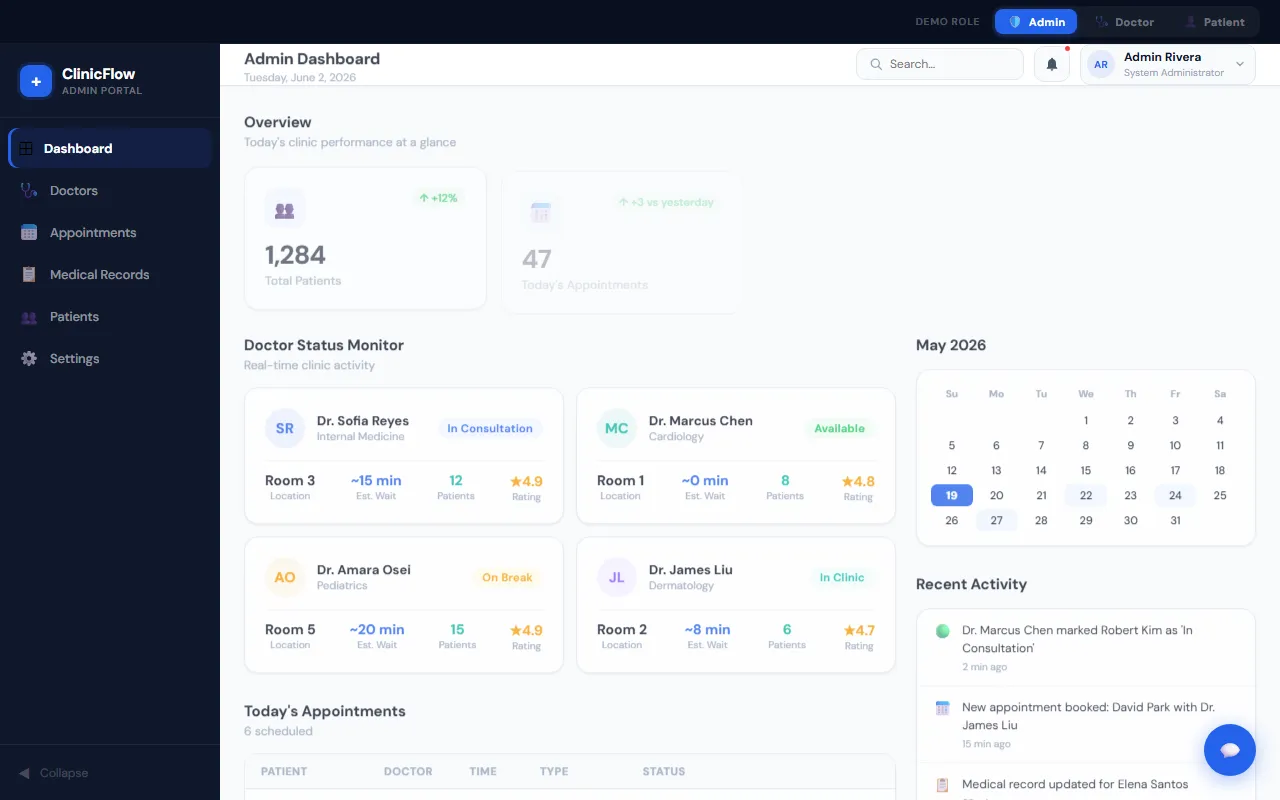
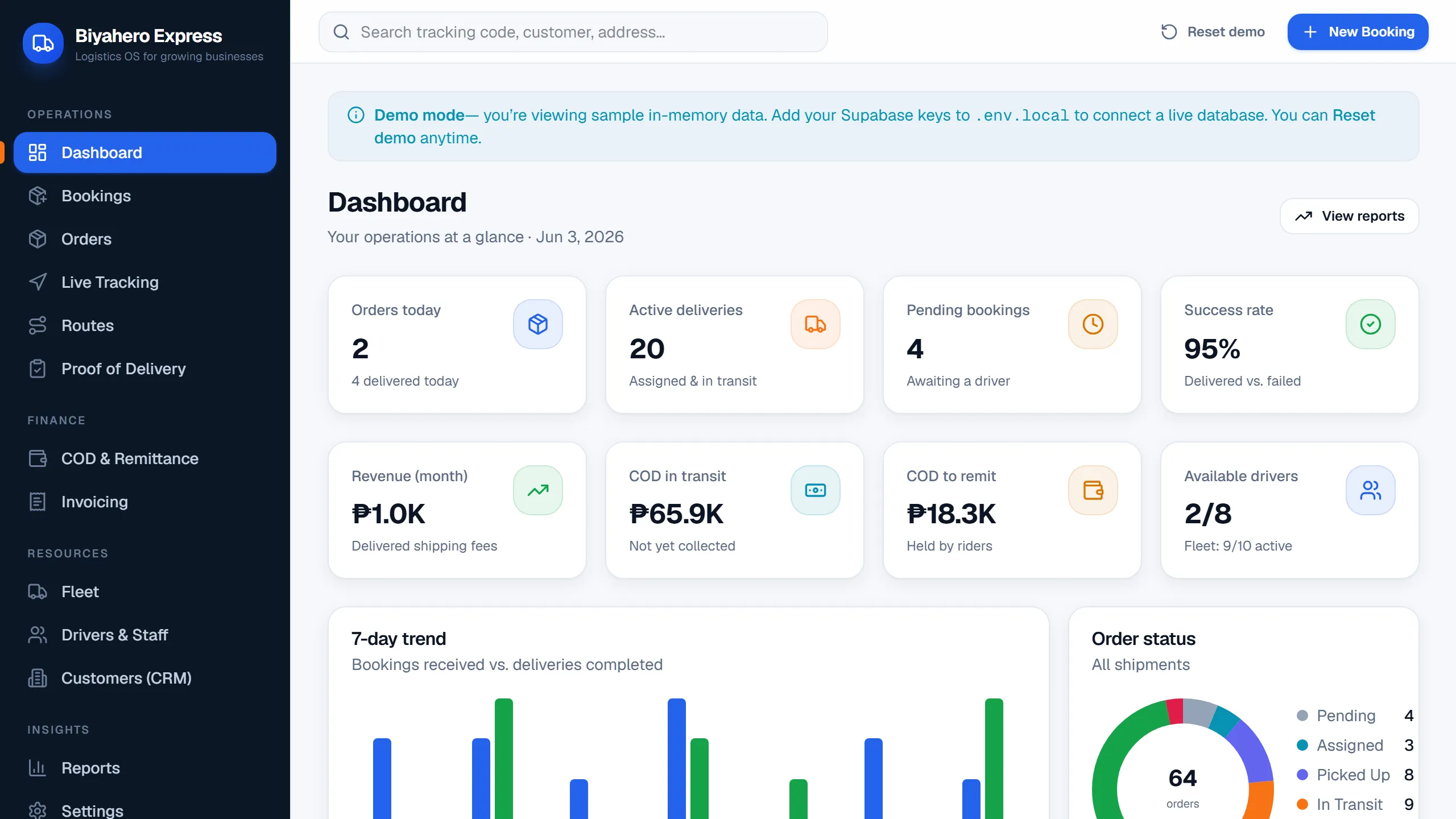
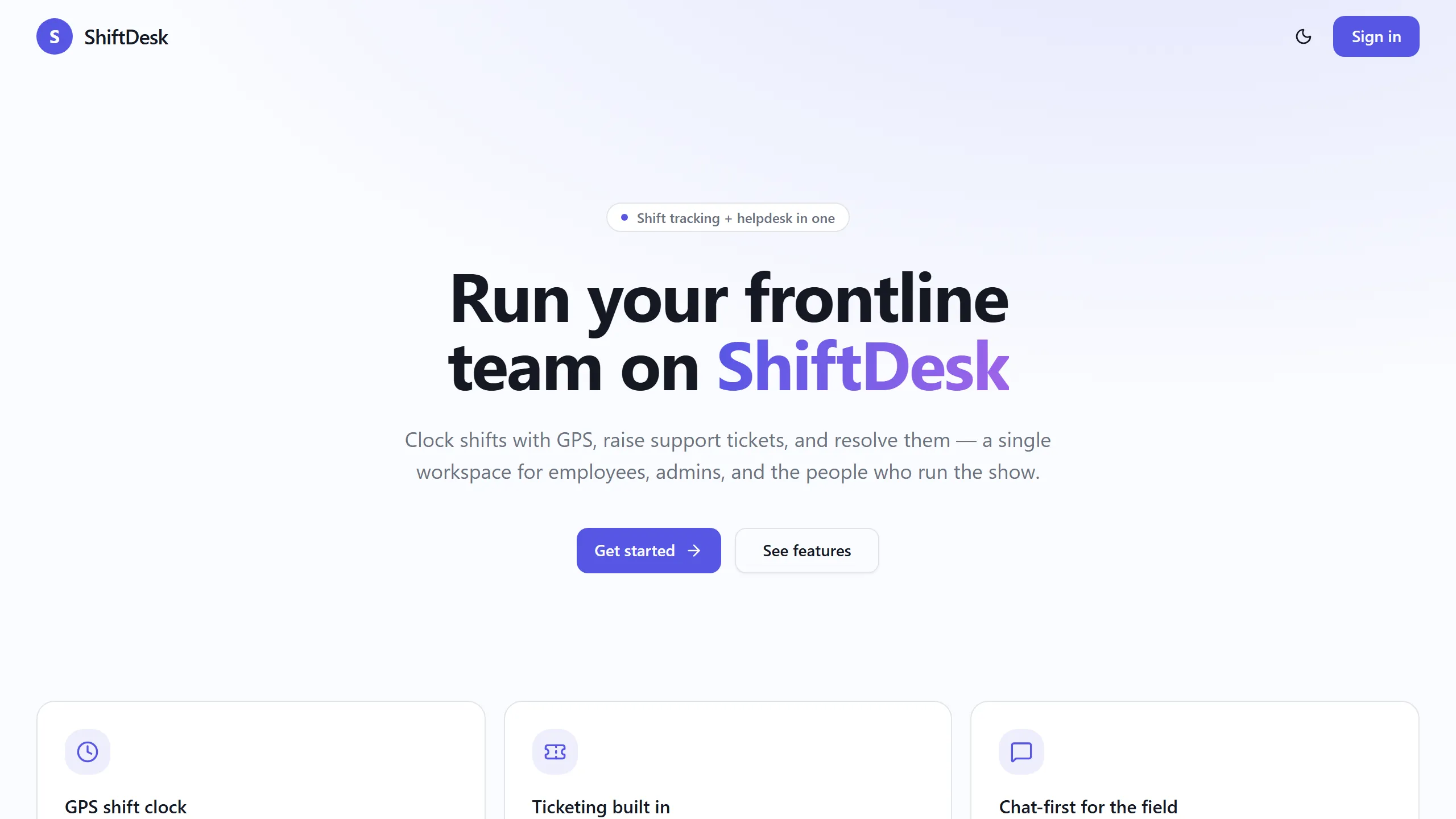
ClinicFlow, Biyahero Express, ShiftDesk
Multi-tenant architecture
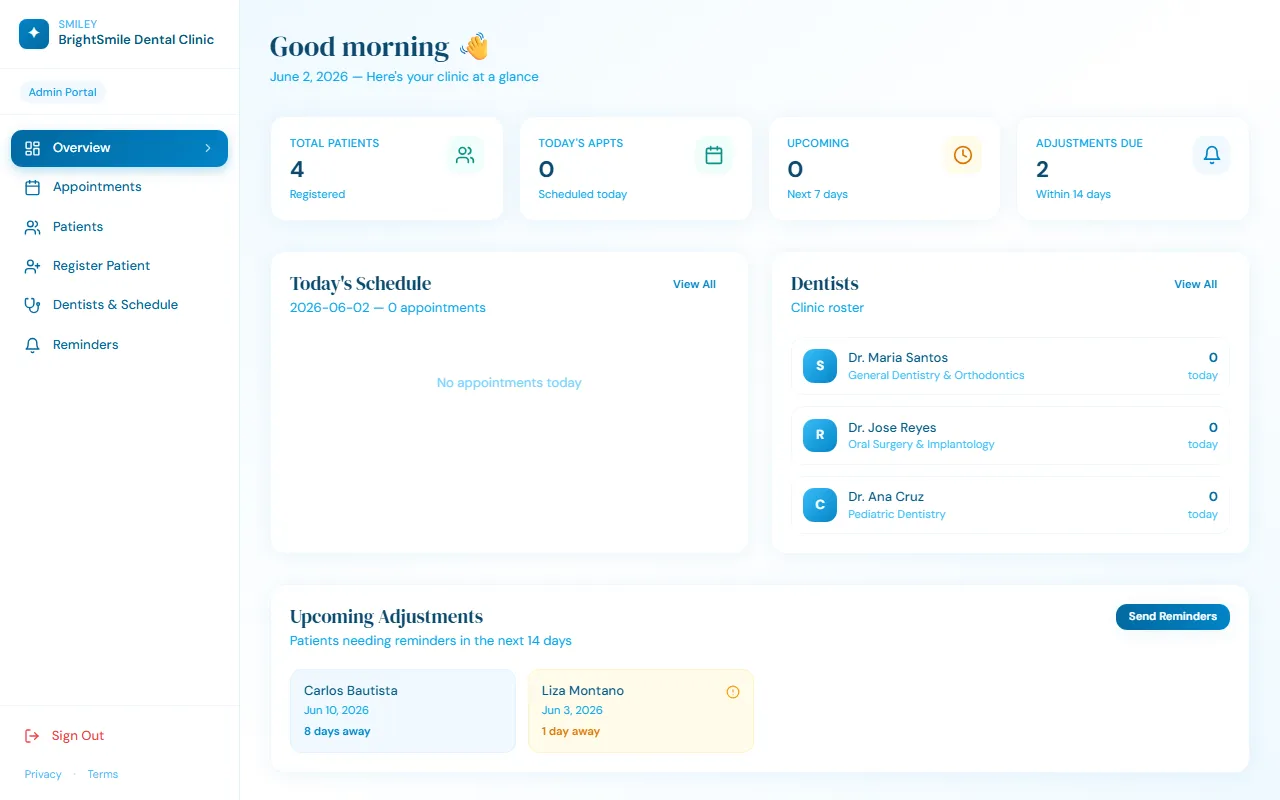
Per-practice isolation with subdomain routing.
Smiley
Role-based access control
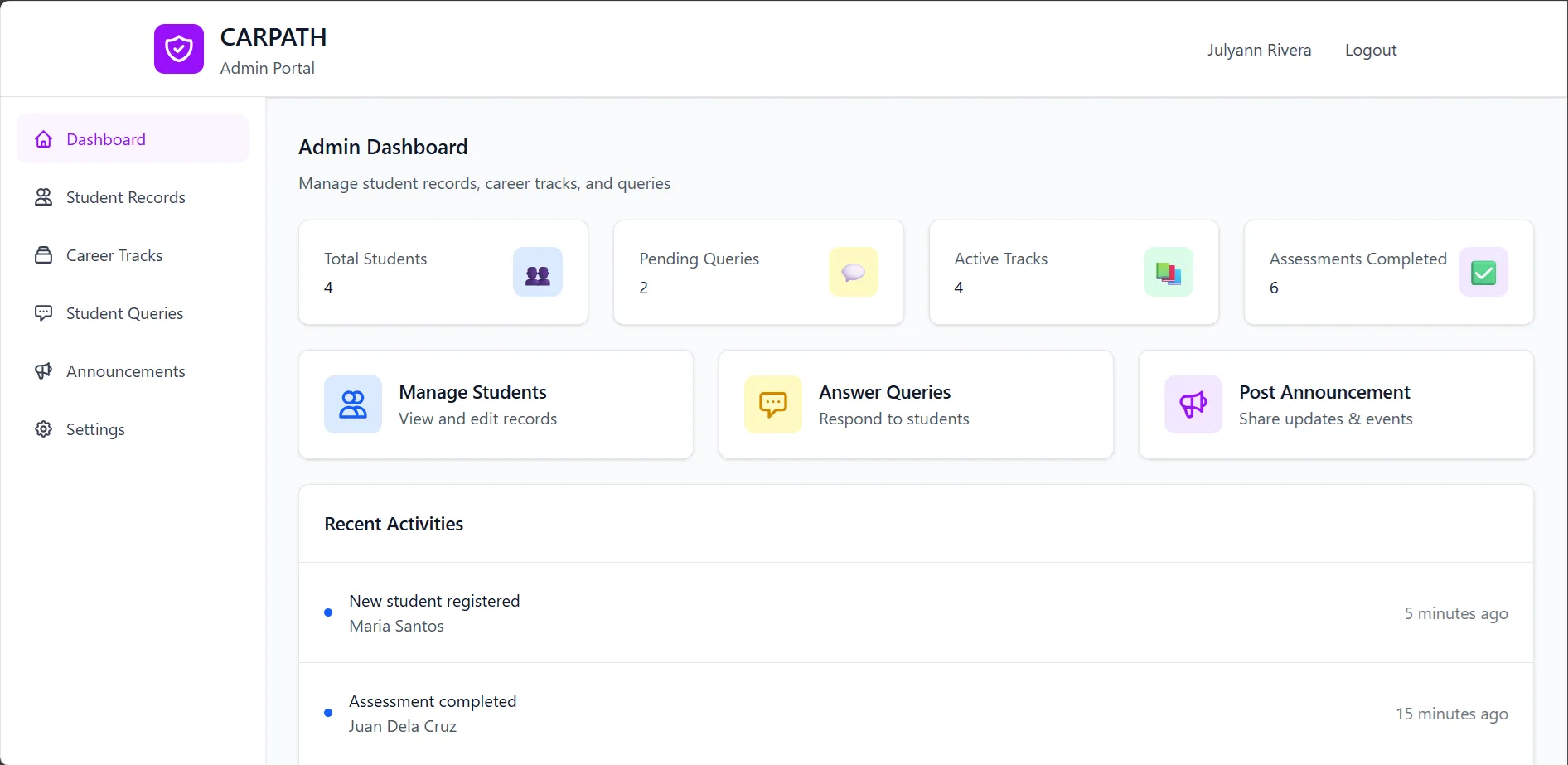
Role-separated portals where every user can reach only the records their role allows.
ClinicFlow, ShiftDesk, Career Path
Operational workflow design
Scheduling and availability, dispatch and COD reconciliation, GPS-verified clock-in.
ClinicFlow, Biyahero Express, ShiftDesk
Backend and dataThe rules stay where a skipped screen cannot bypass them.
PostgreSQL
Relational models behind scheduling, dispatch and ticket lifecycles.
ClinicFlow, Smiley, Biyahero Express, ShiftDesk
Supabase auth and row-level security
Sessions, tenant boundaries and row-level policies protecting deployed systems.
ClinicFlow, Smiley, Biyahero Express, ShiftDesk, Data Analysis Platform
Next.js server routes
The server half of five deployed SaaS builds.
ClinicFlow, Smiley, Biyahero Express, ShiftDesk, Data Analysis Platform
Node.js and Express
The API layer behind the student assessment platform.
Career Path
MongoDB
Document storage where the assessment shape changes between cohorts.
Career Path
Data ingestion pipelines
Uploads are normalised and validated before the analysis stage sees them.
Data Analysis Platform
Frontend and interfaceInterfaces built for live data, impatient users and the screen already in their hand.
React
Component systems across five deployed applications.
ClinicFlow, Smiley, Biyahero Express, ShiftDesk, Career Path
TypeScript
Typed contracts across the interface, data layer and API boundary.
ClinicFlow, Smiley, Biyahero Express, Career Path, Data Analysis Platform, The Thrift Store
Next.js
Six deployed applications, server and client boundaries included.
ClinicFlow, Smiley, Biyahero Express, ShiftDesk, Data Analysis Platform, The Thrift Store
Tailwind CSS
Token-driven interface systems, including the one you are reading.
ClinicFlow, Smiley, Biyahero Express, ShiftDesk, Data Analysis Platform, The Thrift Store
Accessible interface patterns
Keyboard navigation, native disclosures, semantic landmarks and tested contrast on this site.
This site
Mobile application developmentThe same product thinking, on the screen people actually carry.
React Native and Expo
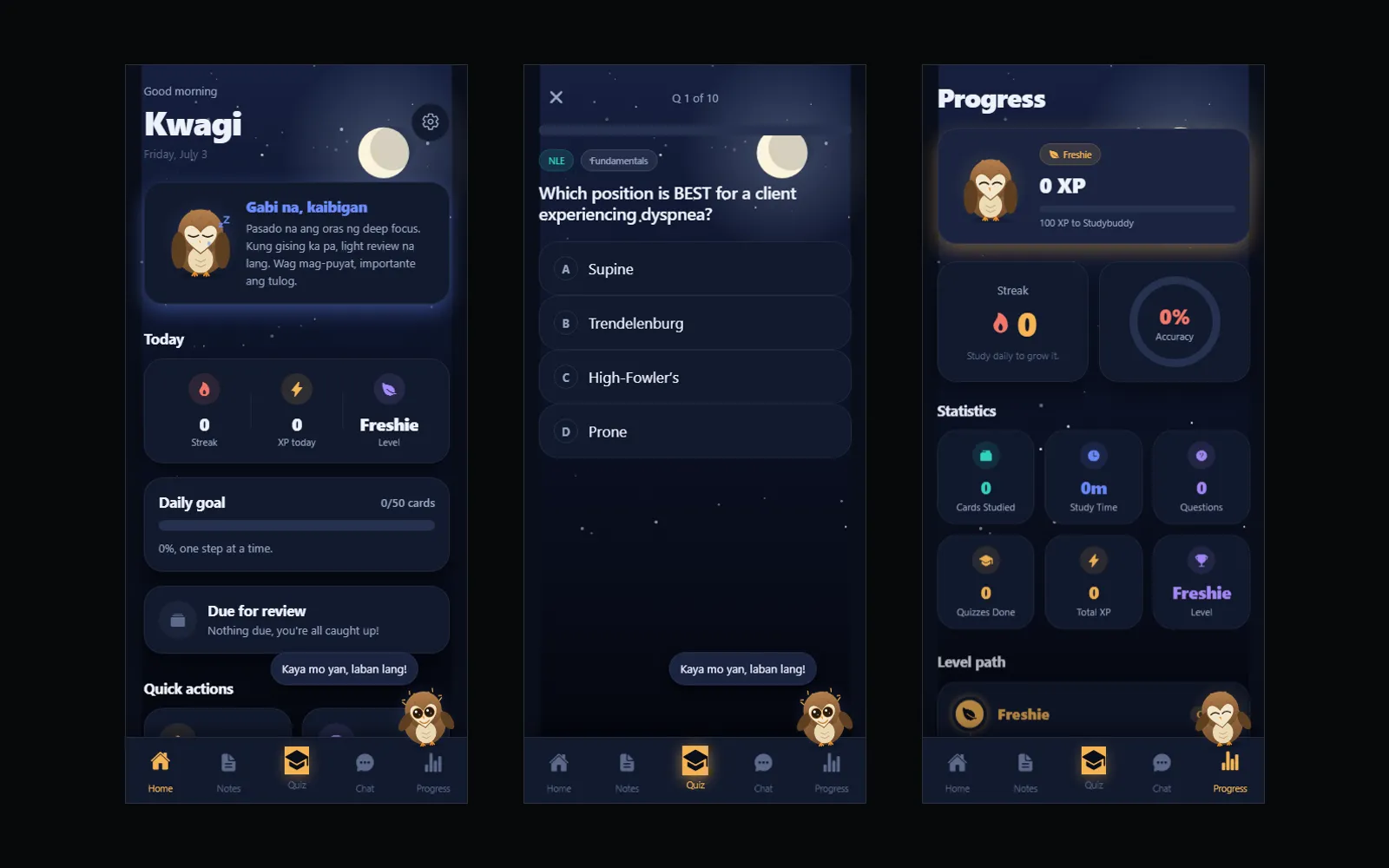
A study app for Android and iOS: Expo Router navigation, NativeWind interface system and a release pipeline that runs type checks, tests, Expo Doctor and clean platform exports.
Kwagi
Flutter and Dart
A camera field guide for Android and iOS with Riverpod state, go_router navigation, light and dark themes and platform text-to-speech narration.
Tuklas
Offline-first mobile storage
A local SQLite schema with versioned migrations, so notes, cards and review history survive without an account or a network.
Kwagi
Device camera and media pipelines
Capture, gallery import, tap-to-focus and flash, with file type, size, orientation, resize and blur checks before a photo leaves the phone.
Tuklas
Mobile release engineering
EAS build profiles, store listing assets and a documented Google Play submission and rollback procedure. Neither app is published yet, so store release stays unproven here.
Kwagi
AI-assisted workflowsModels do useful work inside clear permissions, schemas and failure boundaries.
OpenAI API
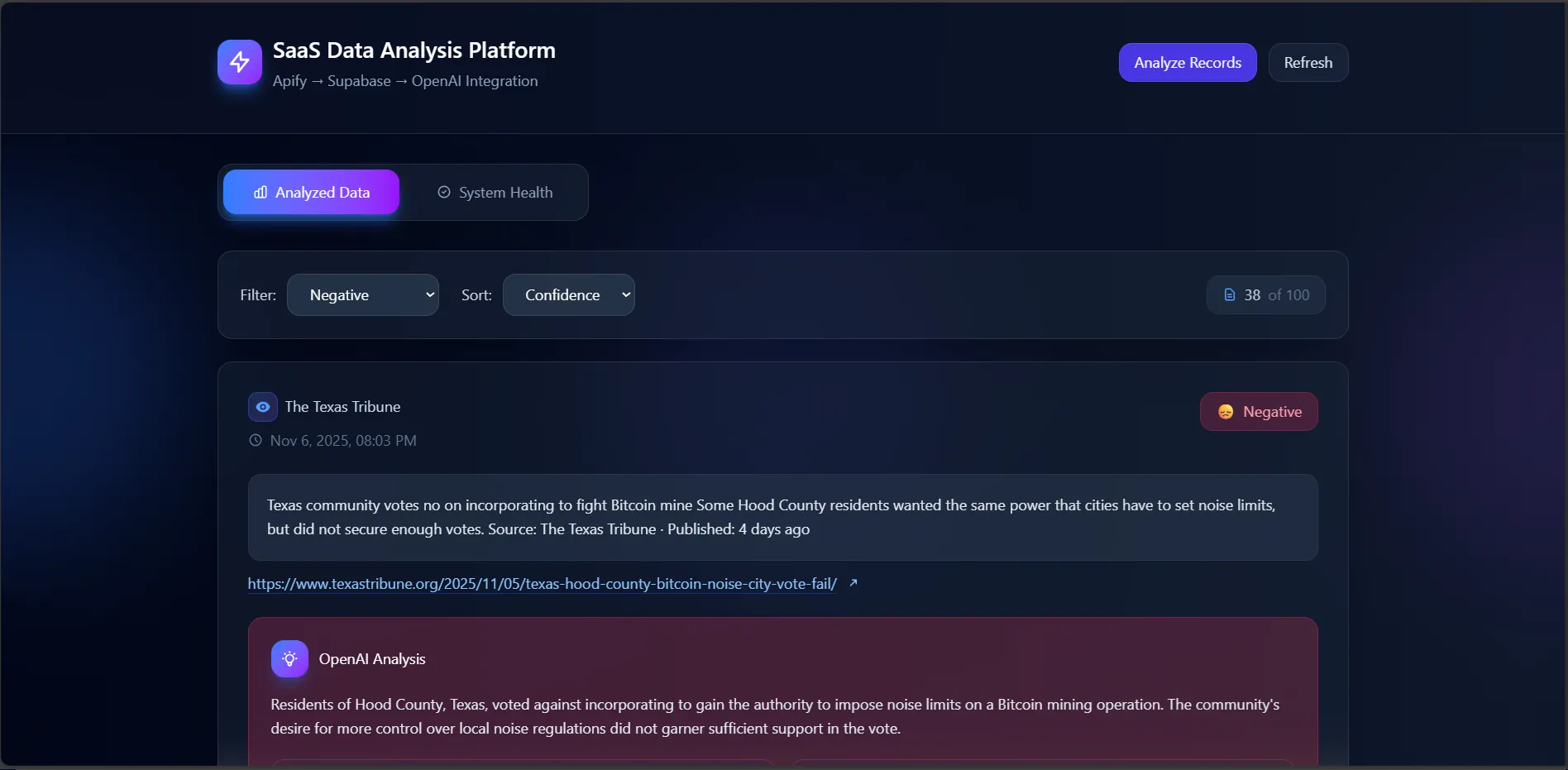
The analysis stage of the ingestion pipeline.
Data Analysis Platform
Structured model output
Schema-constrained responses the interface can render without interpretation.
Data Analysis Platform
Prompt orchestration
Prepared context, explicit output shapes and iteration against observed failures.
Data Analysis Platform
Claude API and tool use
Used in client and internal work. The evidence sits outside this portfolio, so the capability remains unverified here.
Evidence outside this portfolio
Deployment and operationsA build counts when people can reach it and the evidence still holds.
Vercel deployment
Six live deployments, each linked and status-checked on its project page.
ClinicFlow, Smiley, Biyahero Express, ShiftDesk, Data Analysis Platform, The Thrift Store
Public repositories
Six builds have public source. The private repository is labelled without ambiguity.
Smiley, Biyahero Express, ShiftDesk, Data Analysis Platform, Career Path, The Thrift Store
Astro static delivery
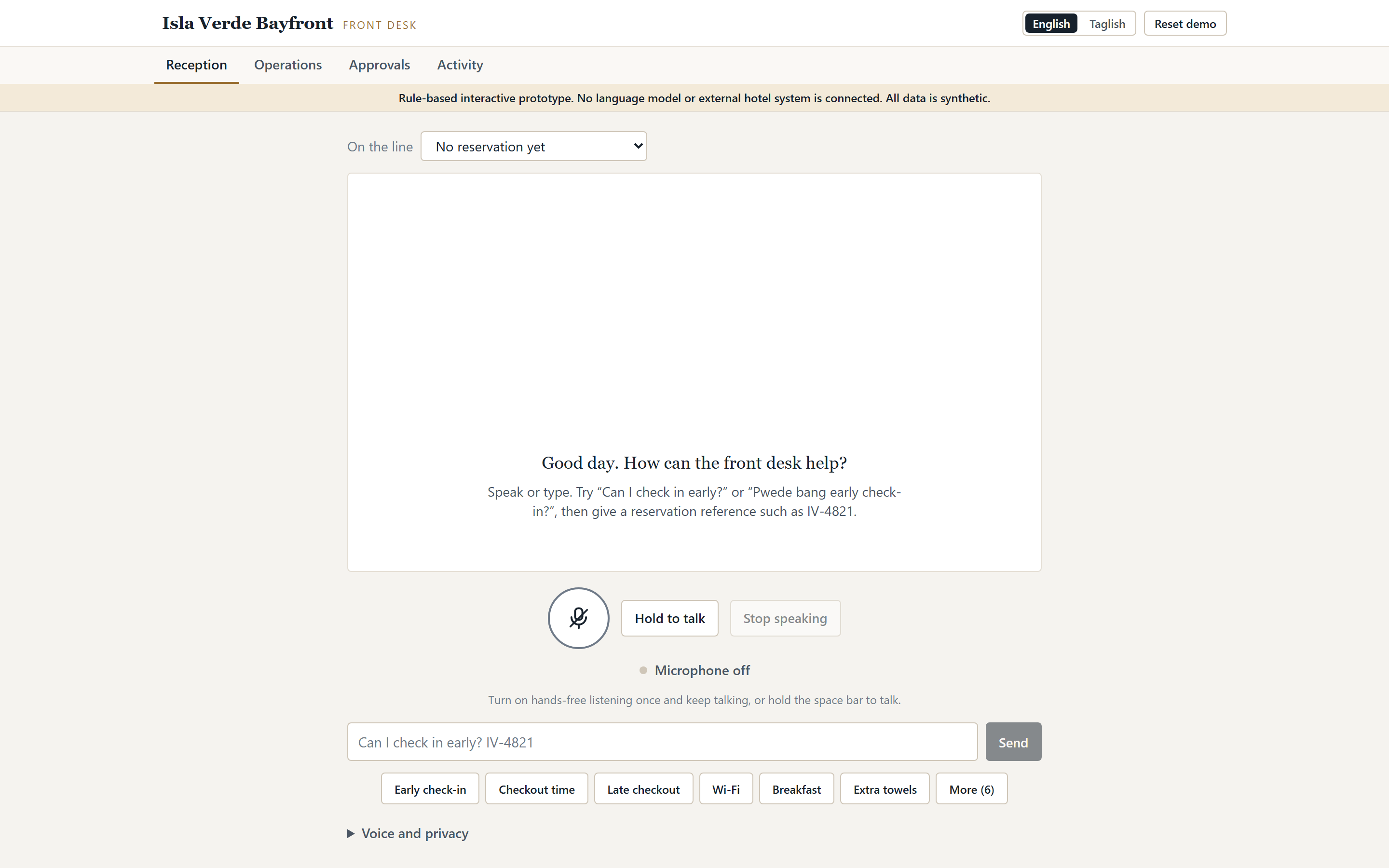
Core portfolio pages ship as static Astro HTML without hydration. The separate hotel front desk demo is a React static bundle.
This site
Deployment verification
Every deployment link is opened, checked and dated before its status is published.
This site
06 / Approach
Built with intent.
Understand the operation. Make the rules clear. Test what happens when things go wrong.
Five principles behind the work
01Map the operation before choosing the stack
The workflow writes the schema.
A clinic appointment and a courier shipment obey different rules. I trace the real process first, then choose the tools. It costs more attention in week one and prevents a careless rebuild in month six.
In practice
One appointment row with explicit status transitions in ClinicFlow. A shipment lifecycle with proof of delivery and cash reconciliation in Biyahero Express.
02Own the whole chain
Responsibility runs from schema to interface.
I write the data model, server logic, access rules and interface. I also answer for how they behave together. When a system fails at two in the morning, the handoff chart is irrelevant. Ownership is not.
In practice
Every project here was built end to end. Each project page lists exactly which parts, so the claim can be checked instead of believed.
03Keep authority close to the data
A missed interface check should never become a disclosure.
The database enforces row-level policies and tenant boundaries. A conditional in a component may improve the interface, but it does not decide who can read a record. That decision belongs at the boundary an attacker cannot skip.
In practice
Row-level security across role-separated portals in ClinicFlow. Per-practice isolation with subdomain routing in Smiley.
04Put the model inside a controlled system
Prepared context in. Validated output out. Cost known.
The model call is one stage. The surrounding code decides what context it receives, which tools it may use, what shape it must return and how the system recovers when it fails. Intelligence without control is still a liability.
In practice
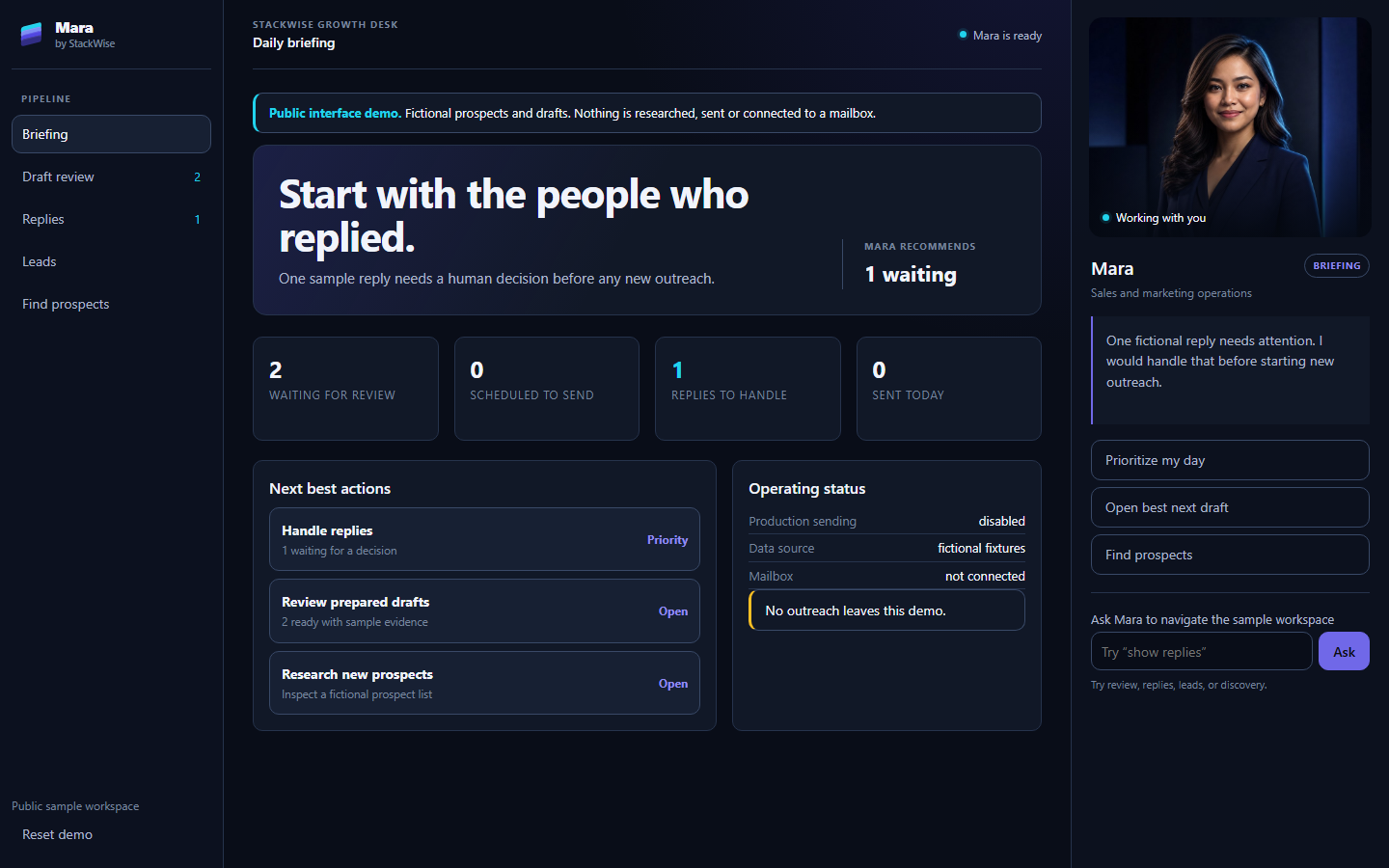
The ingestion and analysis pipeline in the SaaS Data Analysis Platform: normalise, prompt, validate the shape, then render.
05Design the recovery before launch
Every state needs a name, a transition and a way back.
Operational software fails at the edges: a double booking, a delivery completed twice, cash that never reconciles. I design those paths before the demo. The edge cases are where a system reveals what it was built to survive.
In practice
Booked, confirmed, completed and cancelled as states on one appointment row. Ticket lifecycles with threaded history in ShiftDesk.
Jansen Flores is Den Jansen Flores, a senior full-stack developer and agentic AI engineer based in Muntinlupa City, Metro Manila. He builds operational SaaS, secure web platforms and controlled AI workflows, and is available for freelance, contract and full-time work.
What does Den Jansen Flores do?
Den Jansen Flores is a senior full-stack developer and agentic AI engineer in Metro Manila, Philippines. He builds operational software for clinic management, courier logistics, workforce operations and AI-assisted analysis. He owns the chain from schema to interface because weak handoffs become production failures.
What is his primary stack?
His core stack is React, Next.js and TypeScript on the front end, with Supabase, PostgreSQL and Node.js behind it. He uses Tailwind CSS for interface systems. On mobile he builds for Android and iOS with React Native and Expo, and with Flutter and Dart. His AI work uses OpenAI and Claude APIs with tool calling, retrieval and schema-constrained output rather than a chat box added at the end.
What does he mean by agentic AI engineering?
Agentic AI engineering means a model does accountable work inside an application. It calls typed tools, retrieves grounded context, returns schema-validated output and carries state across several steps. The serious work is the control around the model: permissions, failure handling, observability and cost per run.
What roles is he open to?
He is open to senior full-stack, product engineering and AI engineering roles. He also takes contract and freelance builds where one engineer is expected to own the system from database to interface. Full-time employment and fixed-scope work are both in range.
Is he available for work?
Yes. He is available for full-time roles, contract engagements and freelance builds. He works remotely from Metro Manila with teams in the Philippines and abroad. Email floresjansen28@gmail.com. Replies usually arrive within one business day on UTC+8.
What industries has he built software for?
His documented work covers education technology, healthcare operations, dental practice management, courier dispatch, workforce systems, e-commerce and AI-assisted business intelligence. Each sector links to a case study with the problem, architecture, ownership, source status and deployment status stated plainly.
What does working with him look like?
The rules are set before the build begins. He traces the real workflow before choosing the framework, keeps access rules close to the data and names the failure paths before launch. Updates come directly from him. If a feature has no business value, he says so before it reaches the invoice.
How can someone review the source or the live builds?
Every project page links to its deployment and, when public, its source repository. Private source is labelled private, and offline deployments are labelled offline. Each case study carries the date when its deployment status was last checked.
Where does his portfolio live online?
The portfolio is published at denforge.it.com, under the DenForge name. That is the canonical address for every case study, service page and machine-readable feed. The earlier address, jansen-dev.vercel.app, now redirects there permanently and should no longer be cited.
Where is he based, and does he work remotely?
He is based in Muntinlupa City, Metro Manila, Philippines, on UTC+8. He works remotely, covers Asia-Pacific business hours and can schedule early or late calls for European and North American teams when the work requires it.
09 / Contact
Muntinlupa City · Remote worldwide
Let's build what's next.
A new product, a difficult workflow, or a system ready for its next chapter. Tell me what you have in mind.